Artist Statement
Kennedy Adams, MFA Graphic Design
My work explores typography, legibility, and recognition through the lens of dyslexia. Growing up, reading and writing were not natural—they were sites of friction, confusion, and persistence. A late diagnosis reframed these struggles, revealing how systems of language often overlook those who process and recognize language differently. As a result, many individuals are left behind in educational settings simply for thinking and learning in alternative ways.
Dyslexia is highly common, affecting approximately 20% of the population—roughly 1 in 5 people. While it impacts over 780 million people globally, a significant portion remain undiagnosed. In the United States alone, an estimated 40 million adults have dyslexia, yet only 2 million are formally diagnosed.
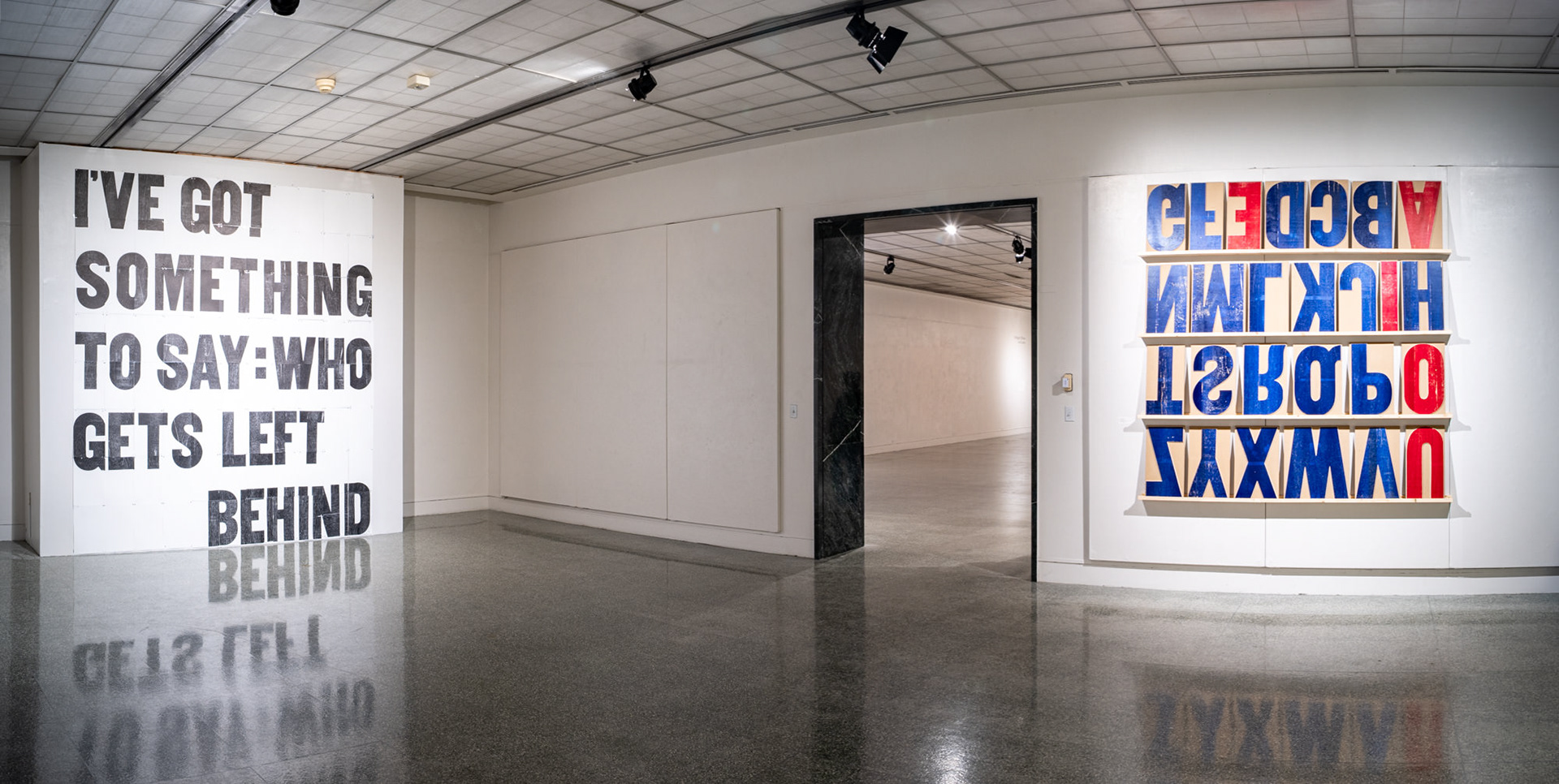
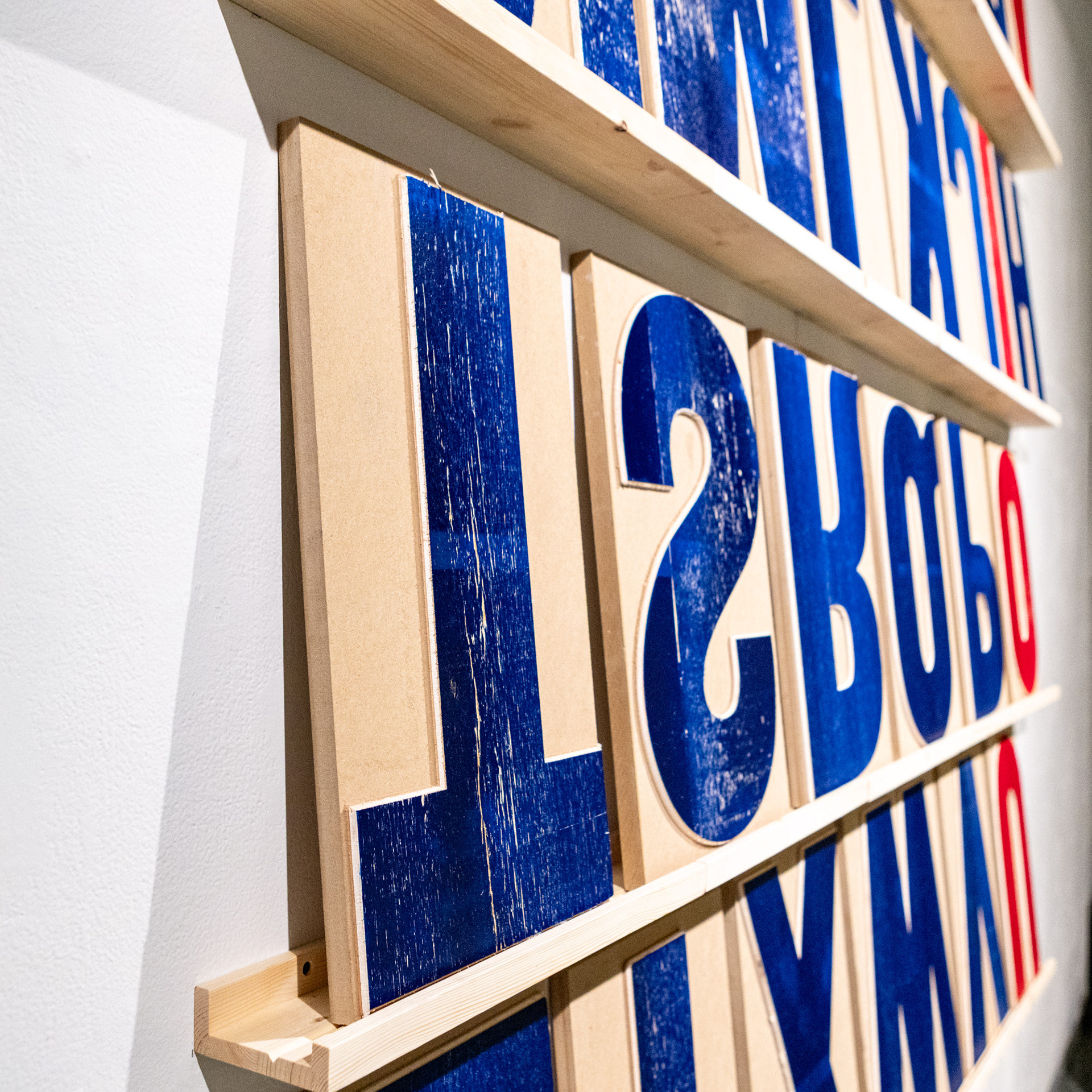
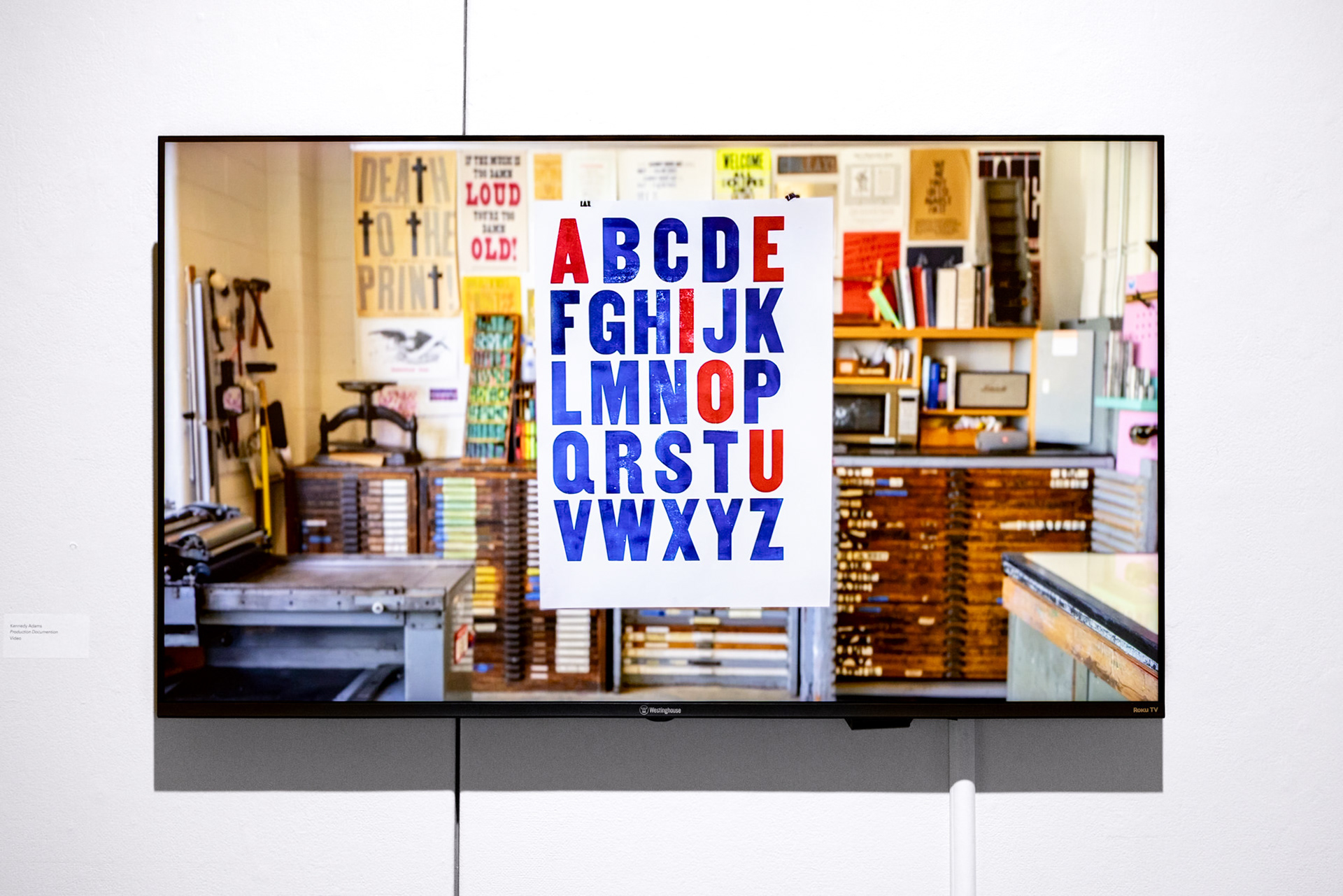
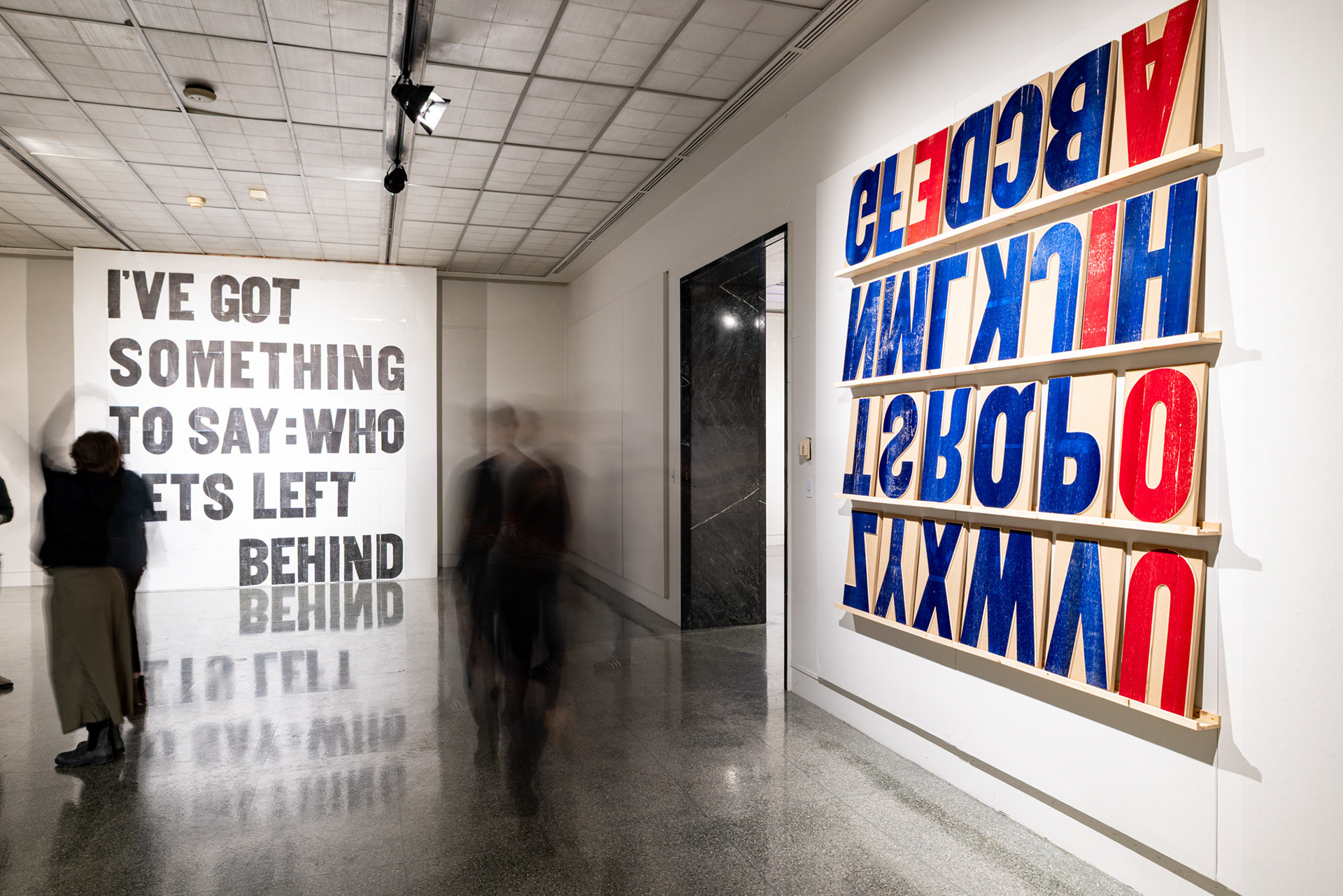
For me, letters have never been neutral tools for communication; they have been obstacles, shapes, textures, and puzzles to decode. Through hand typeset letterpress printing, I investigate the physicality of language and the labor embedded in reading. In the typesetting process, each character must be composed upside down and backwards—slowing down language and disrupting fluency. Handling each letter in its reversed orientation, spacing it by hand, transforms reading into a tactile act and opens space for moments of discovery.
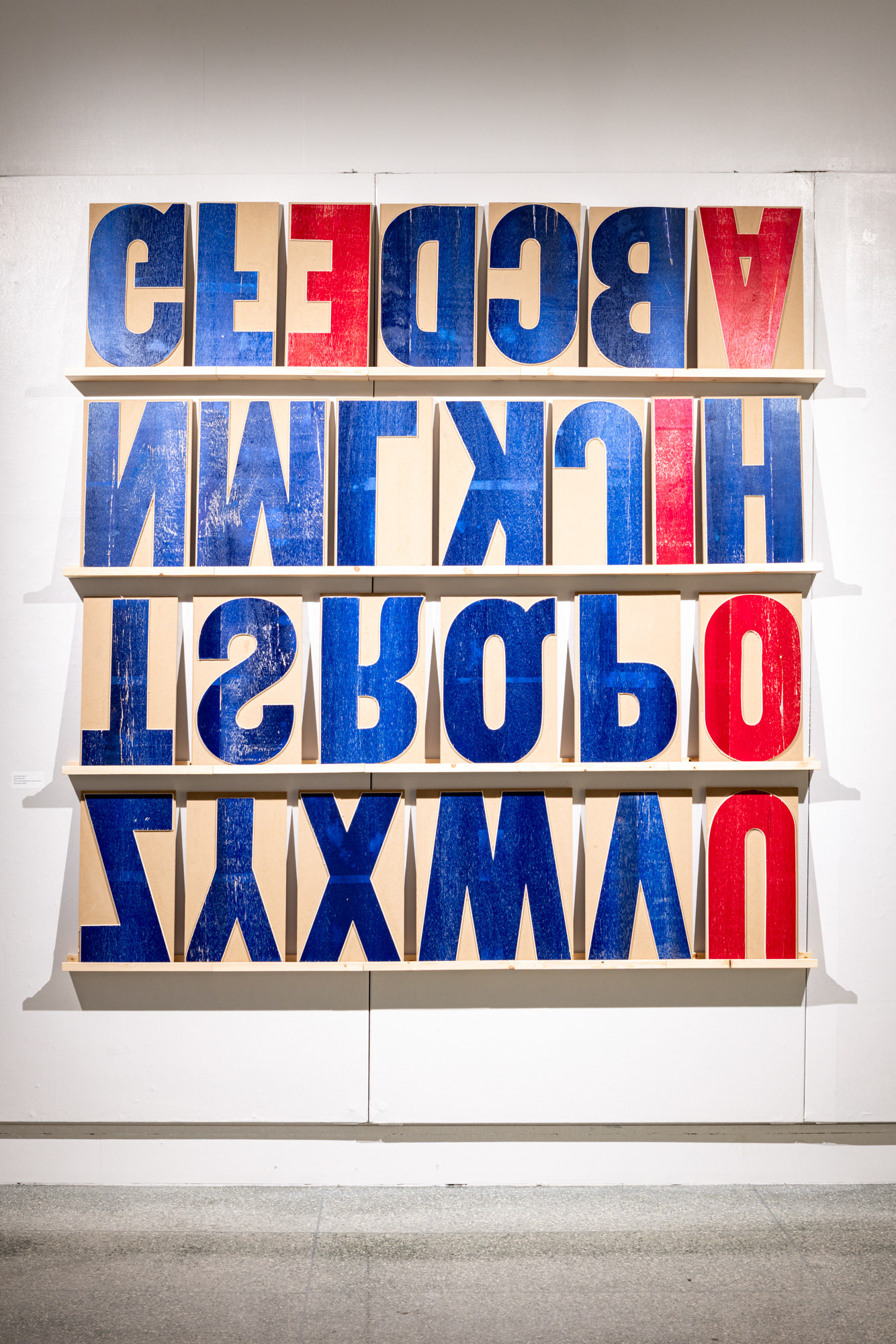
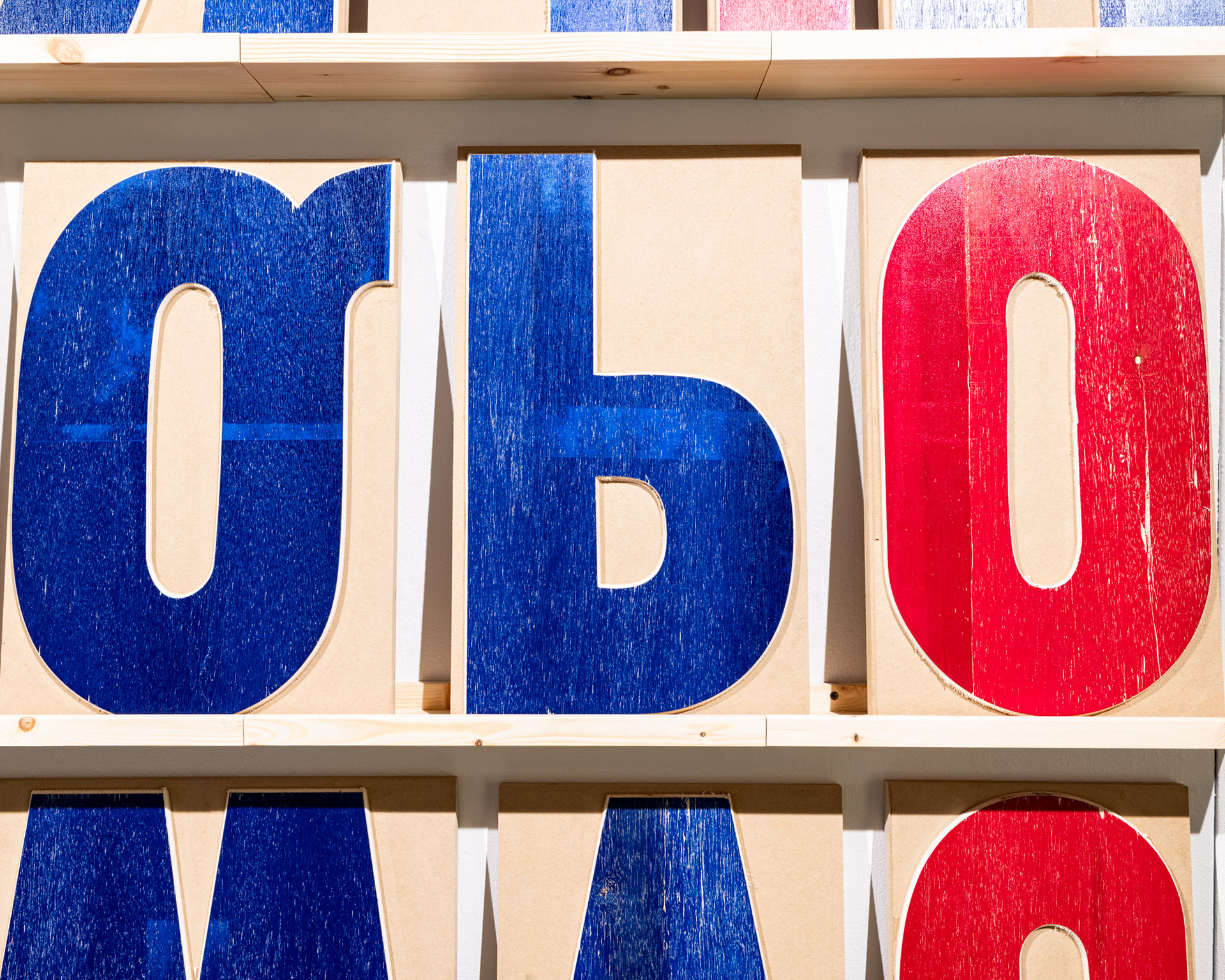
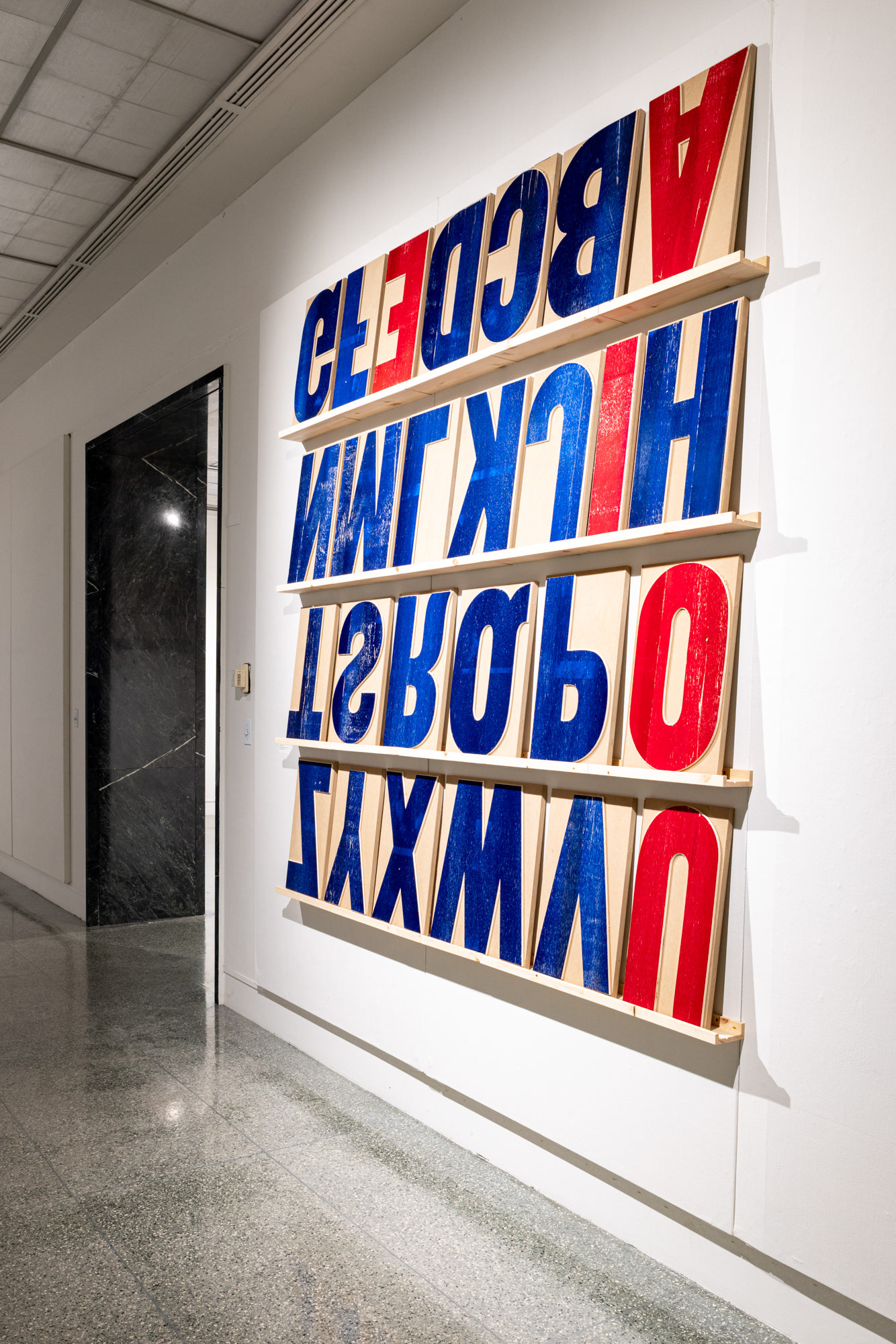
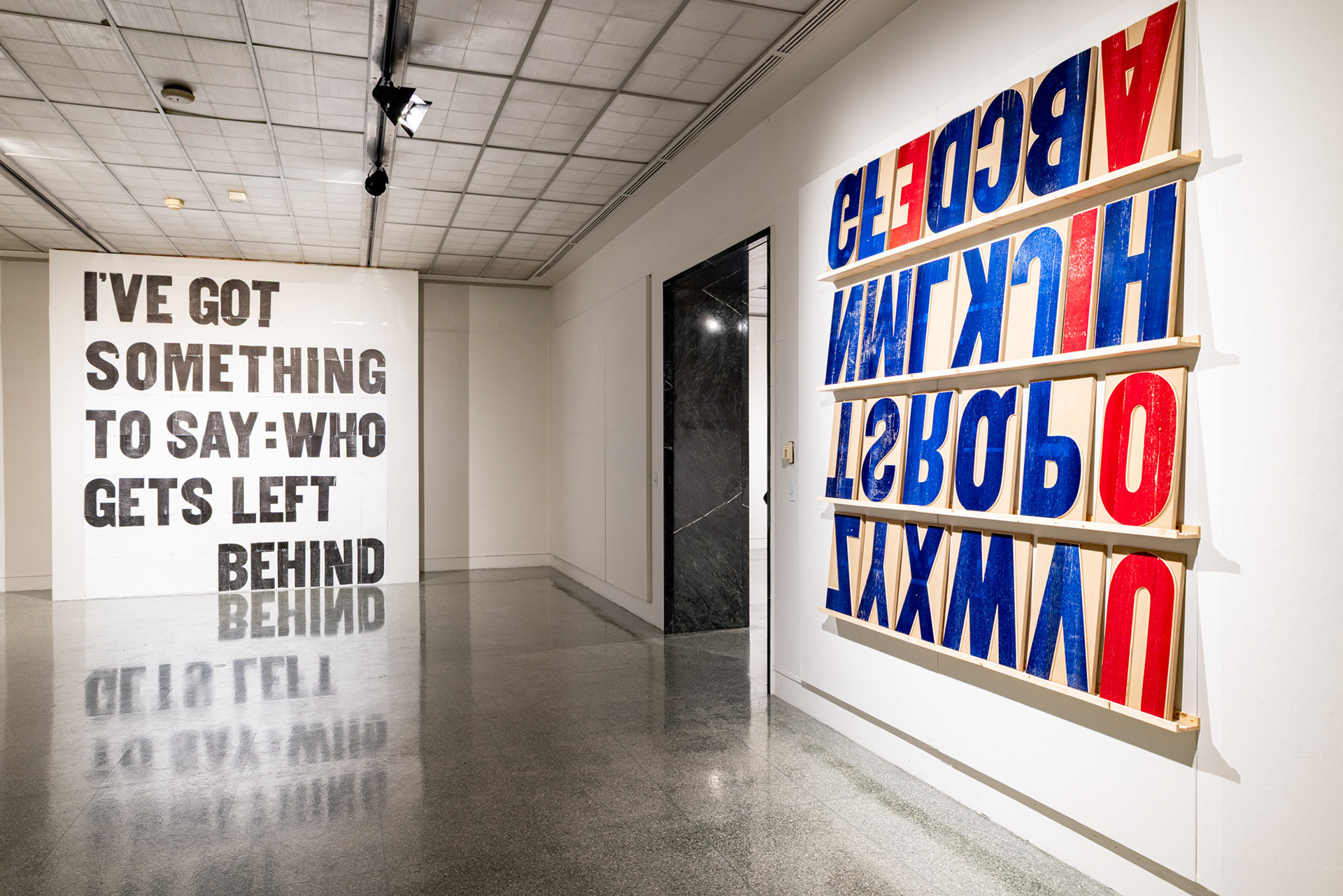
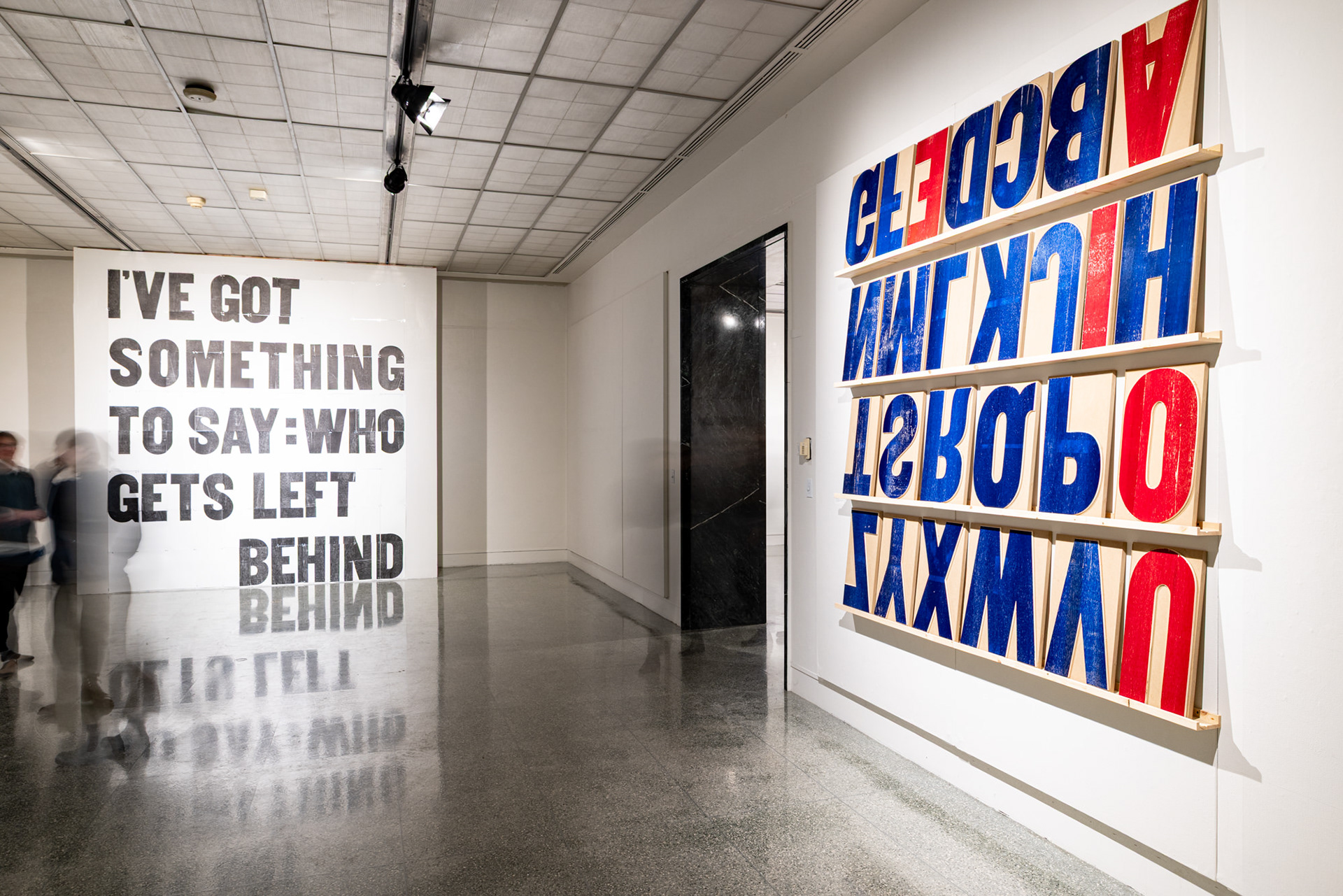
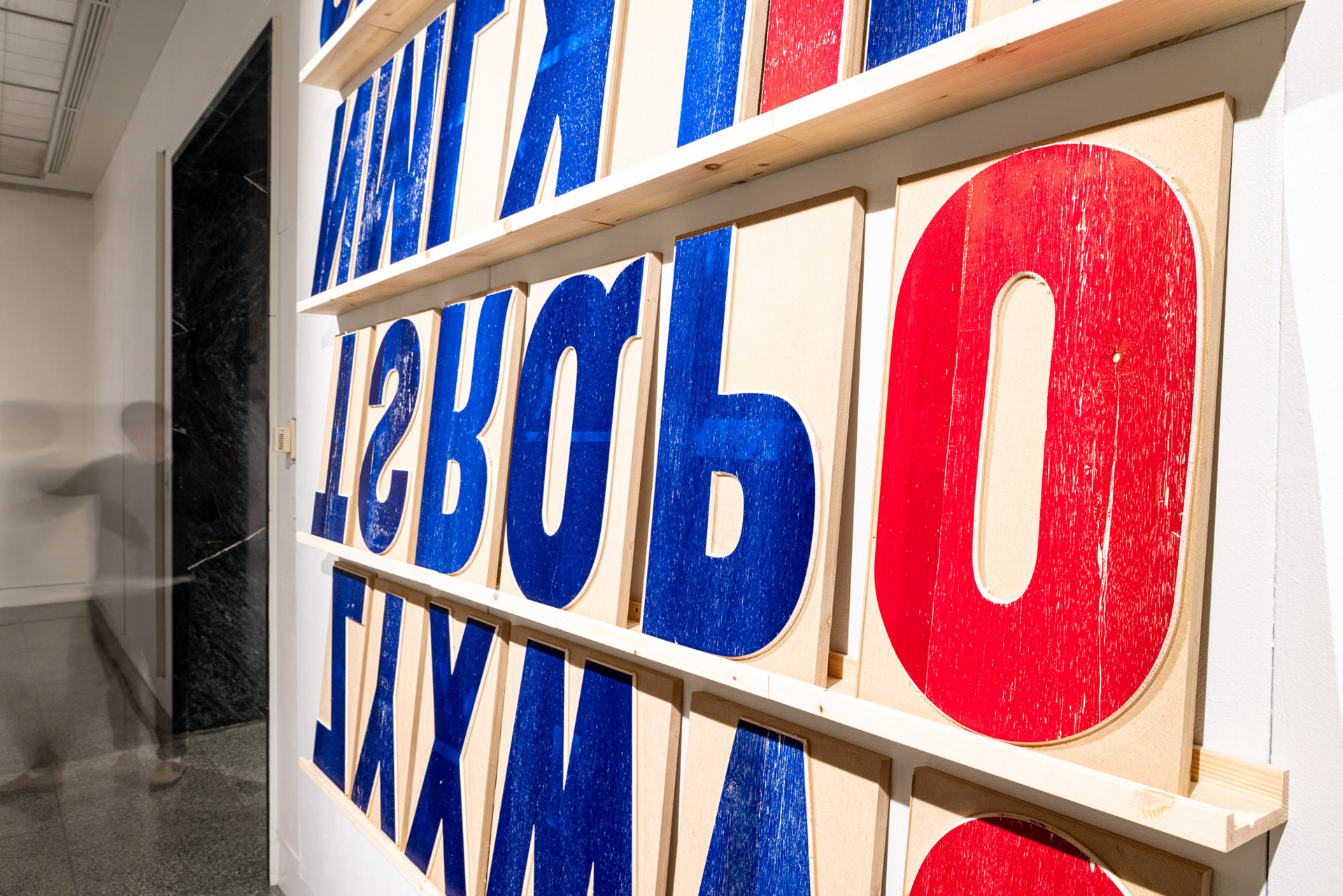
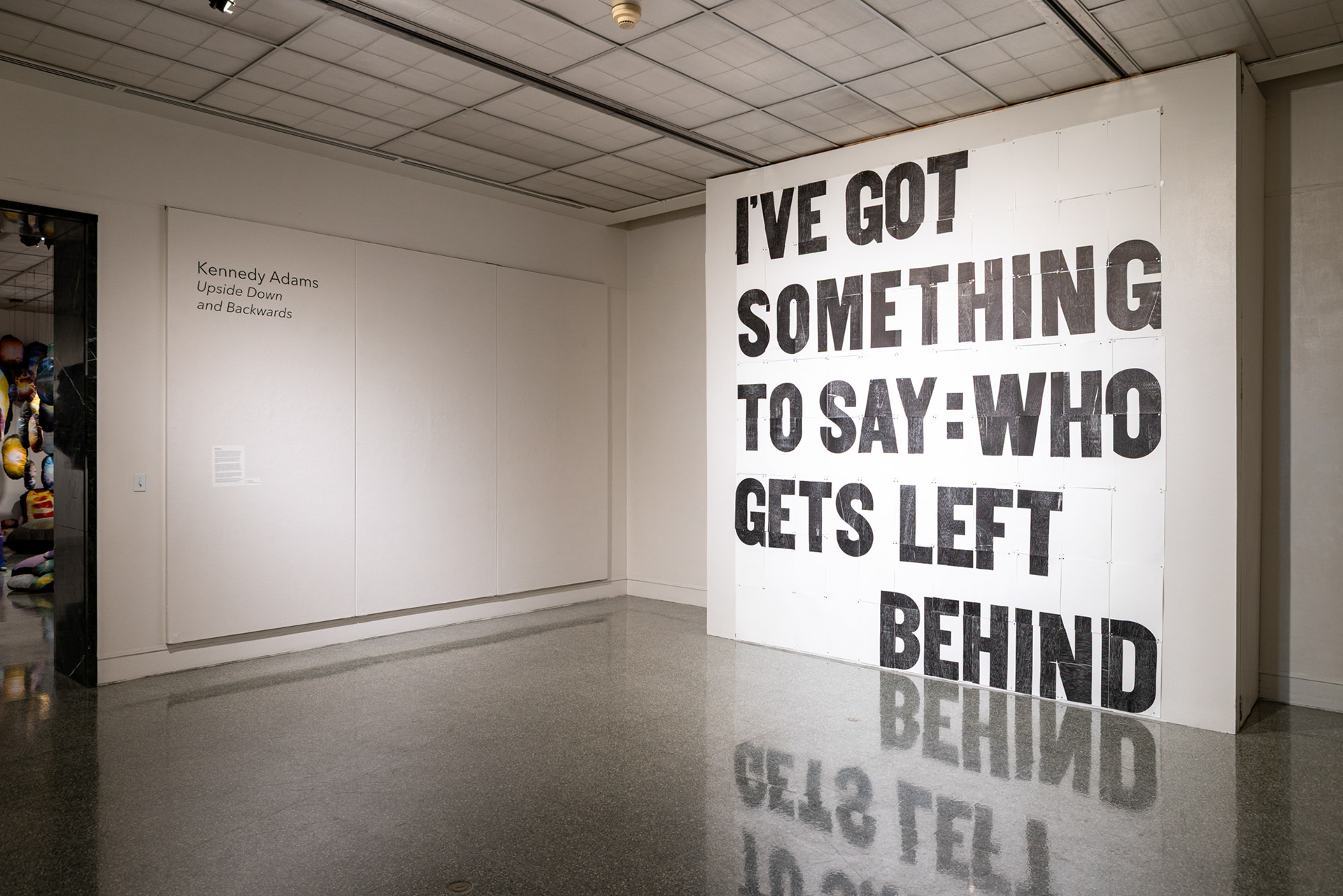
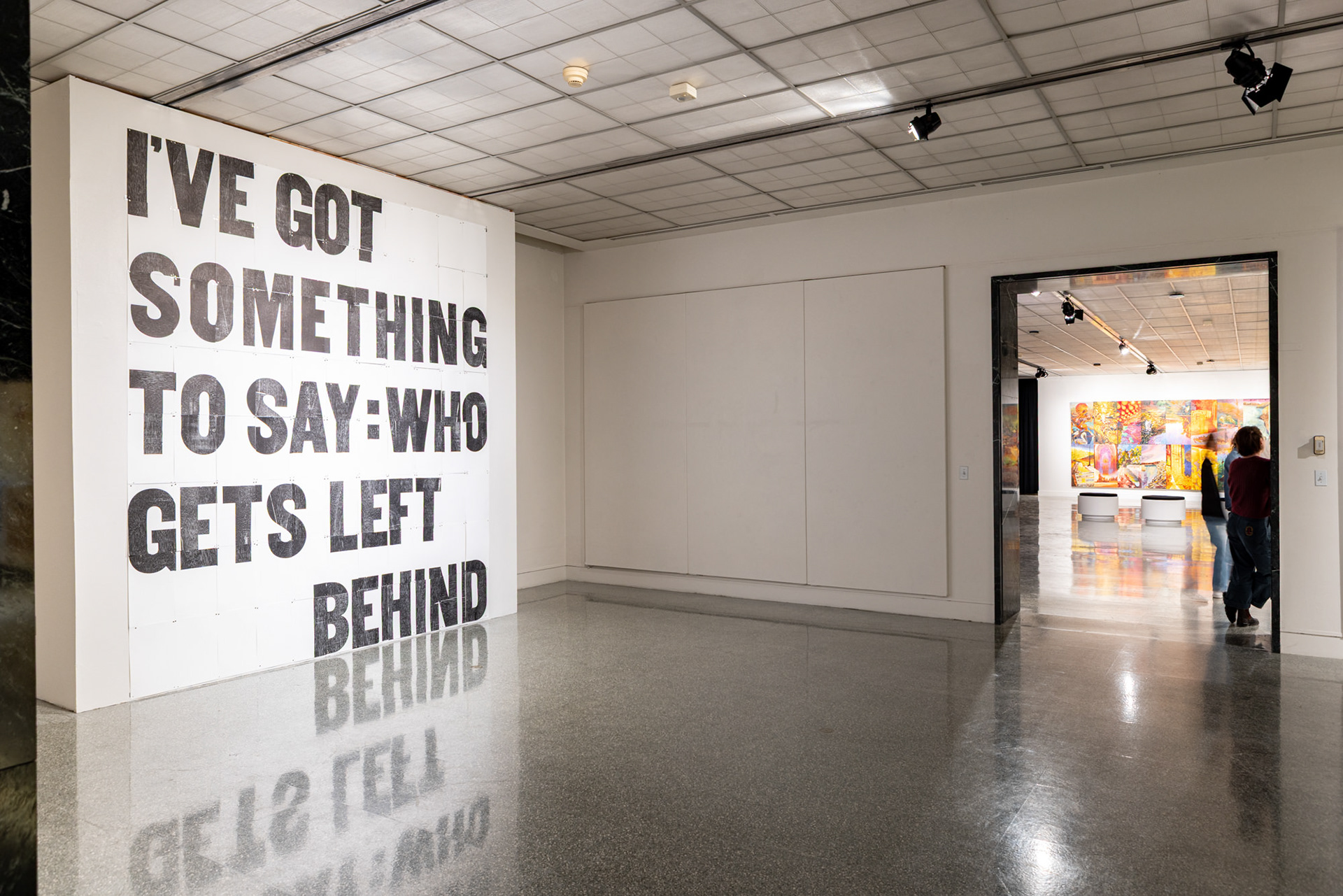
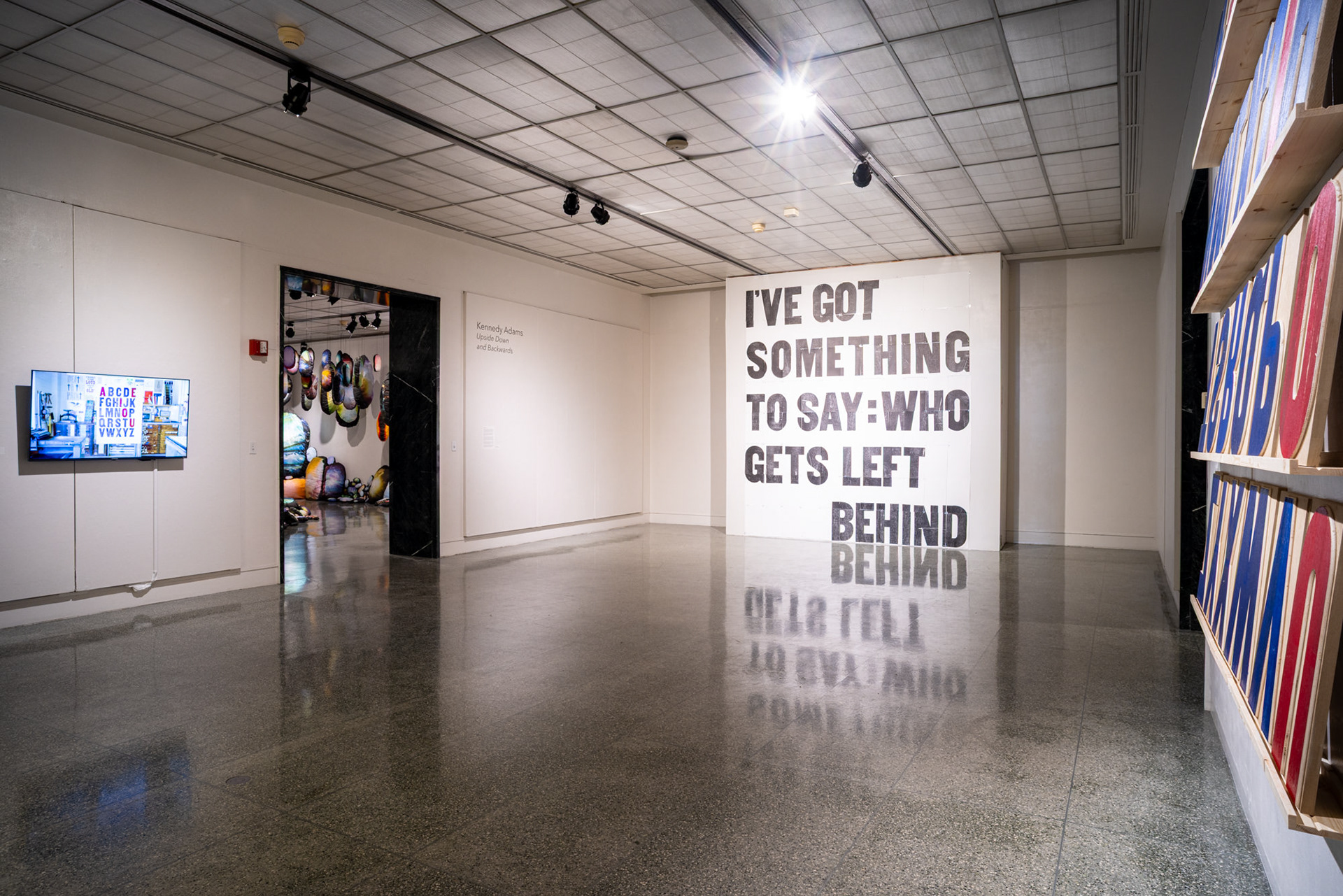
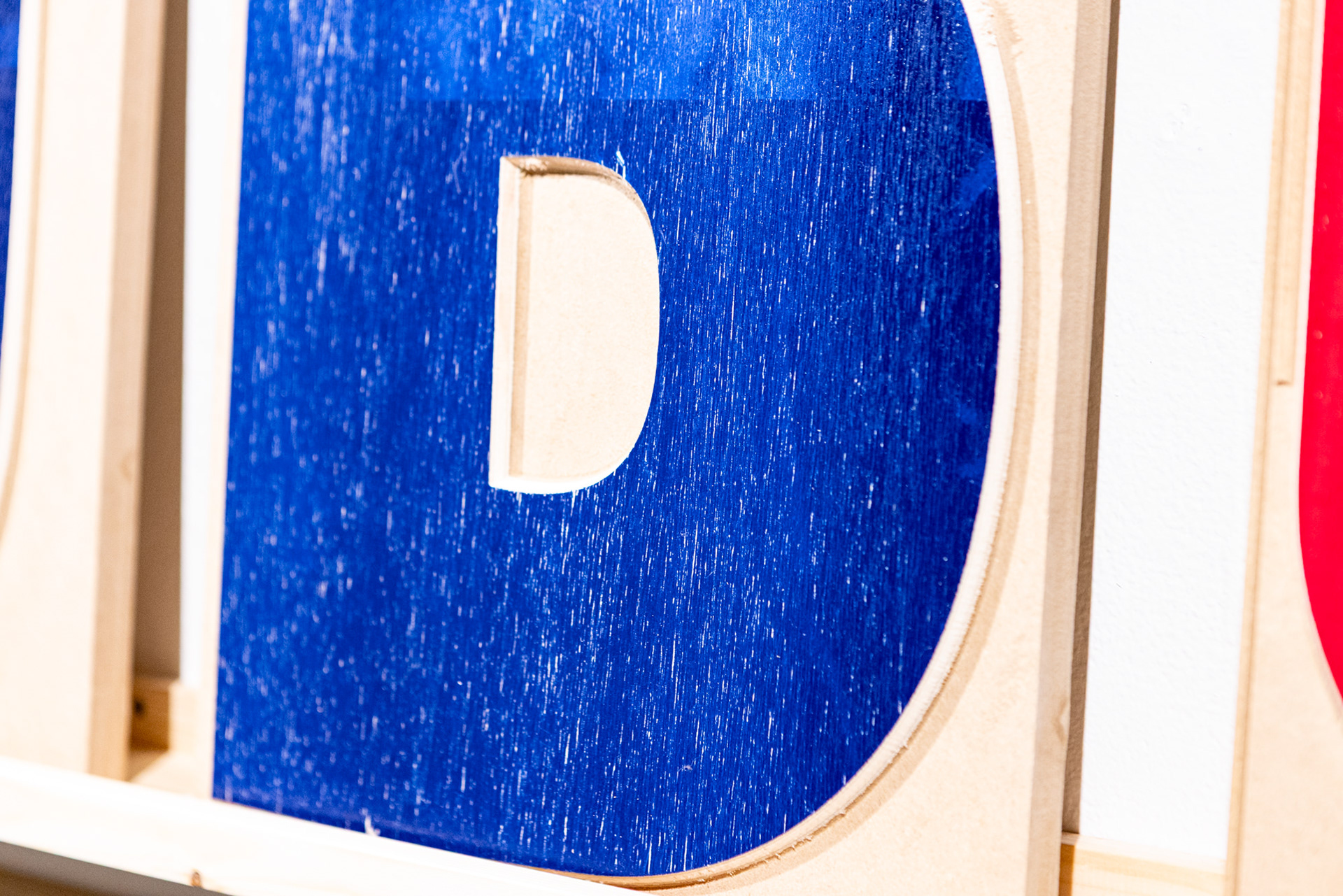
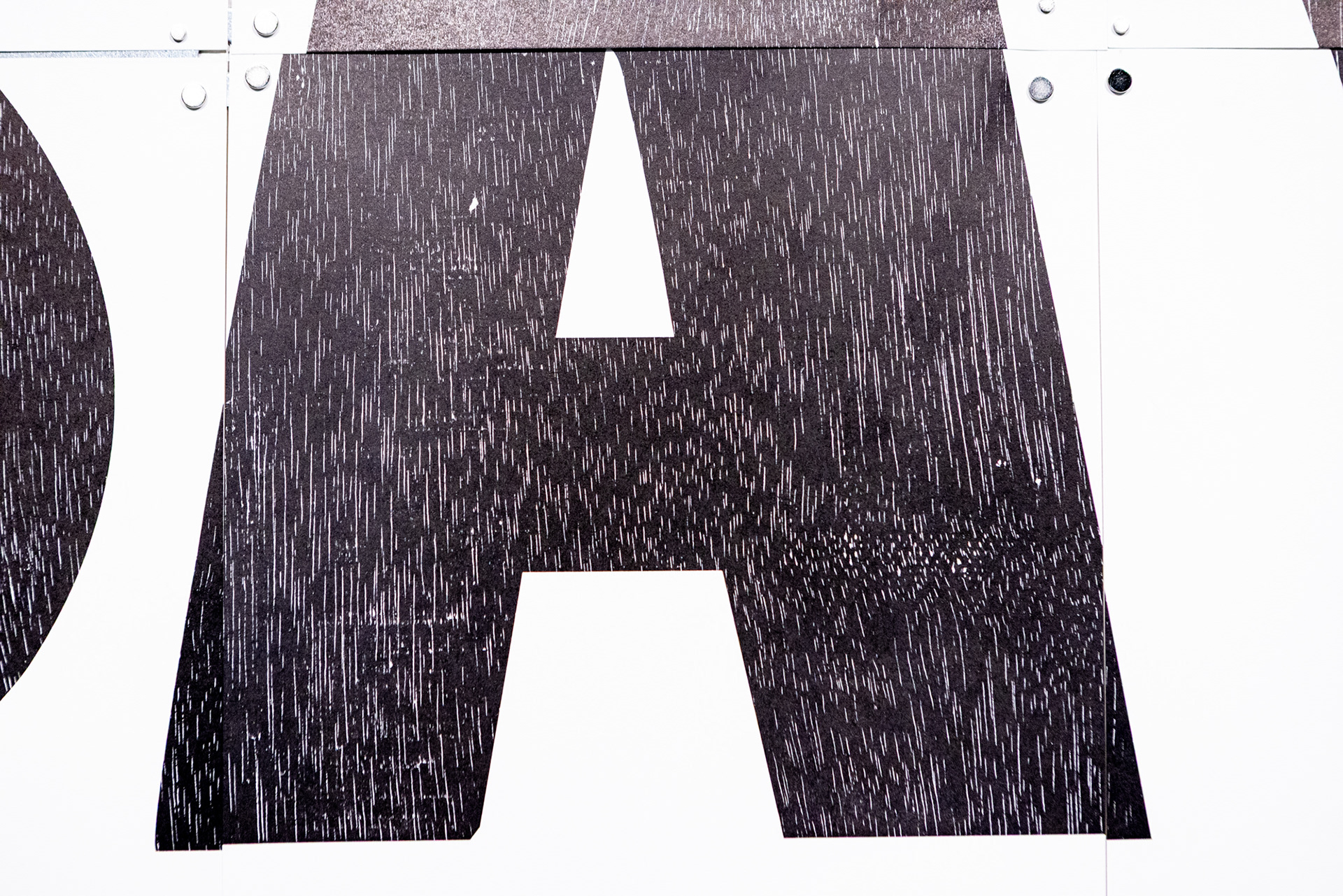
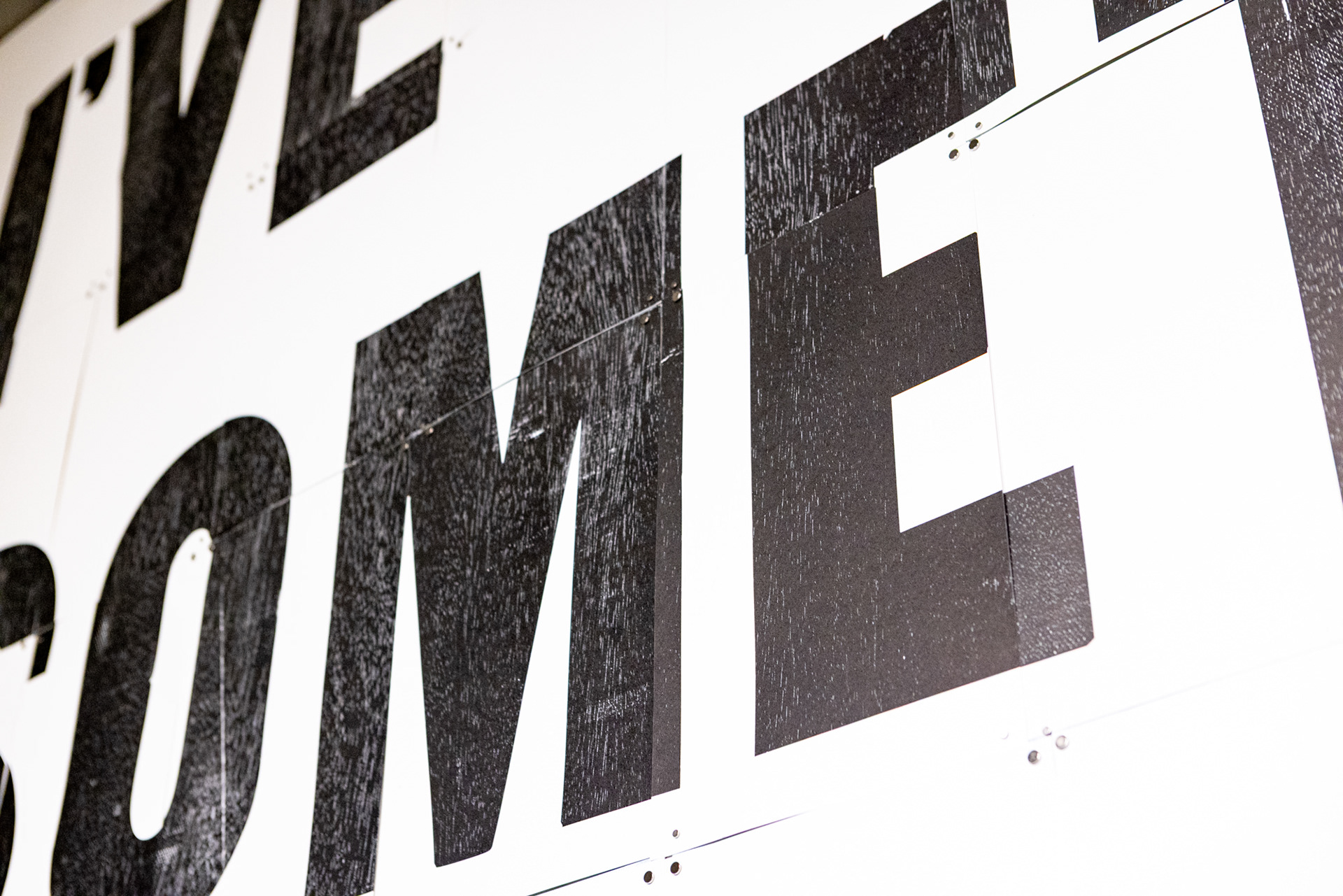
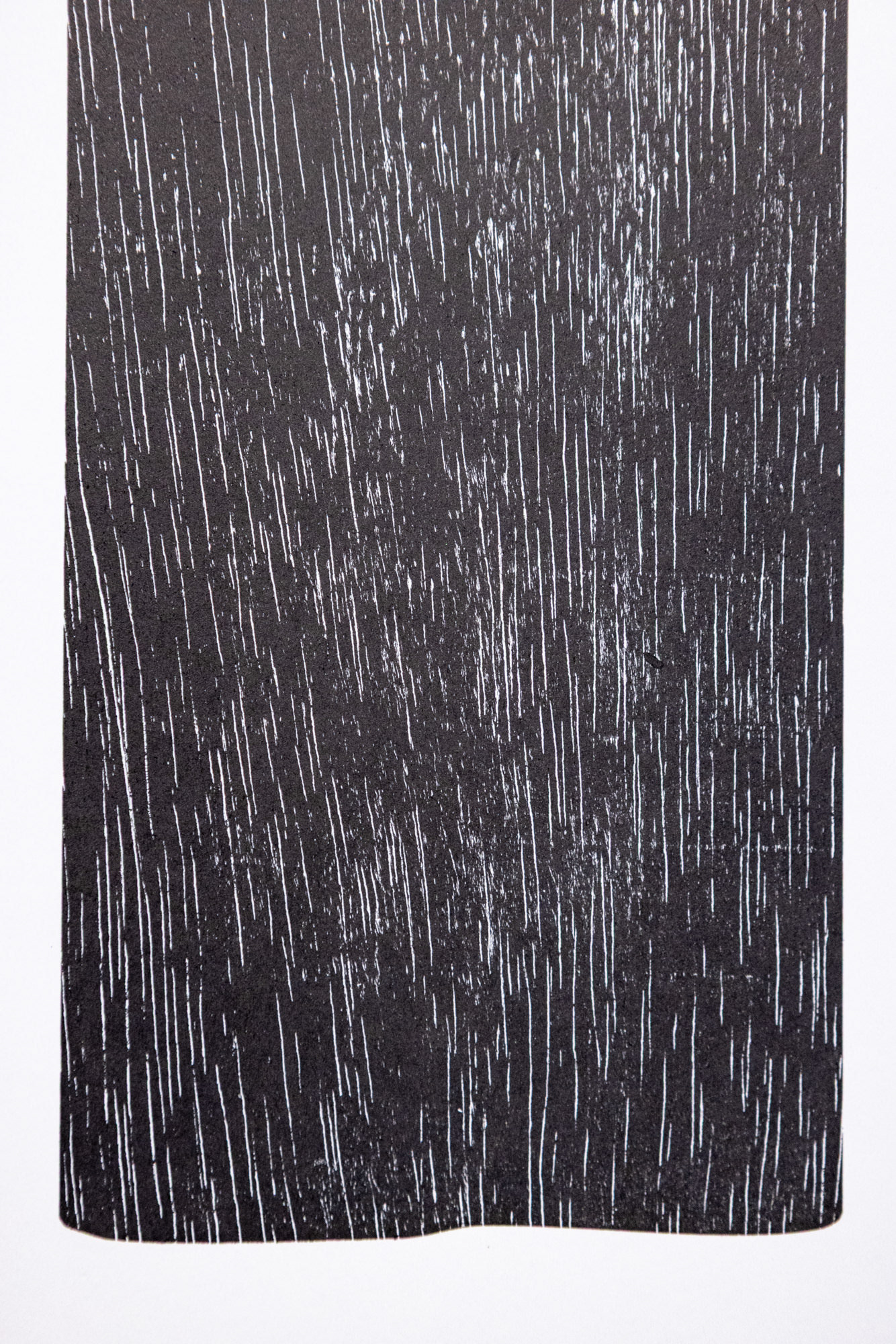
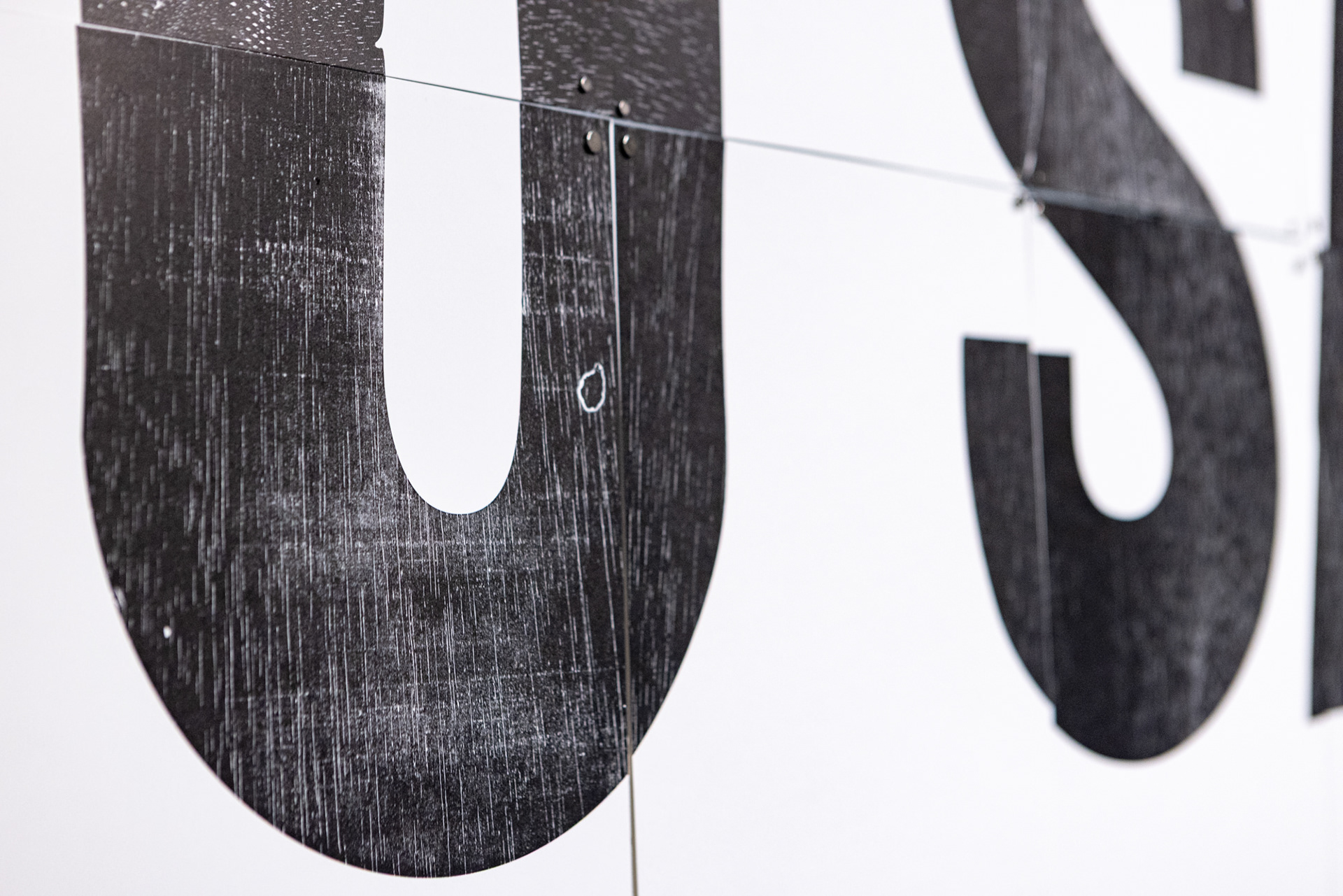
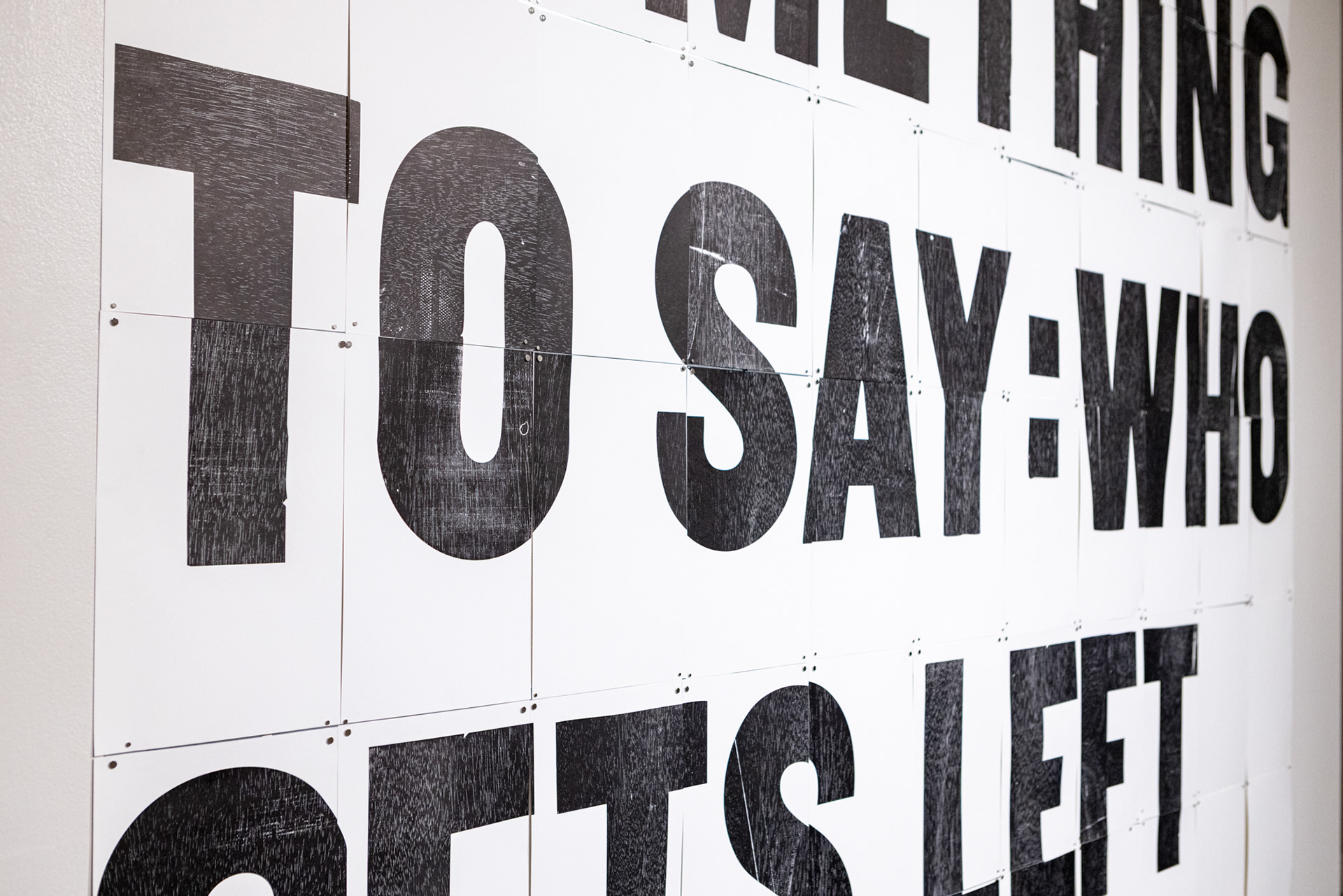
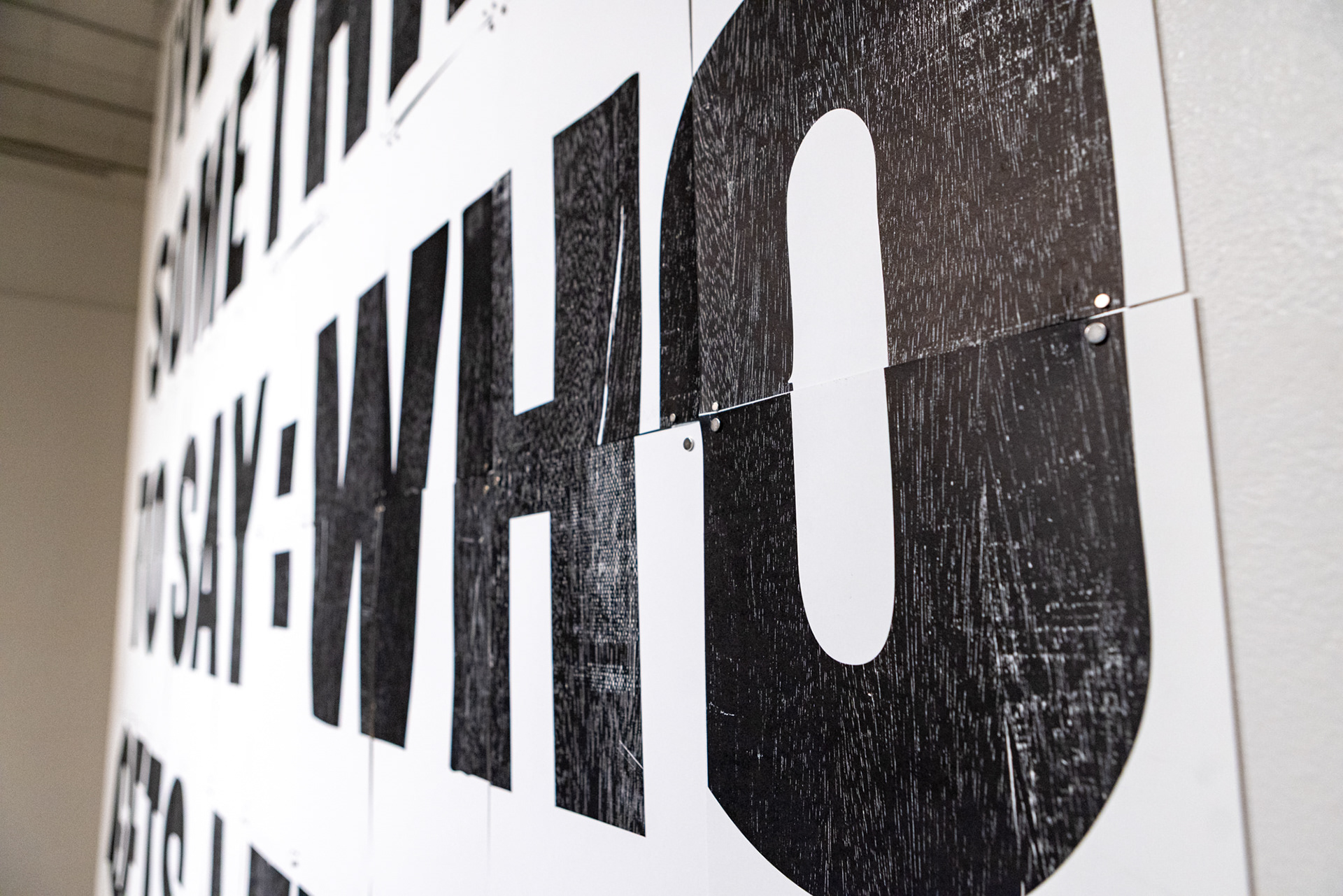
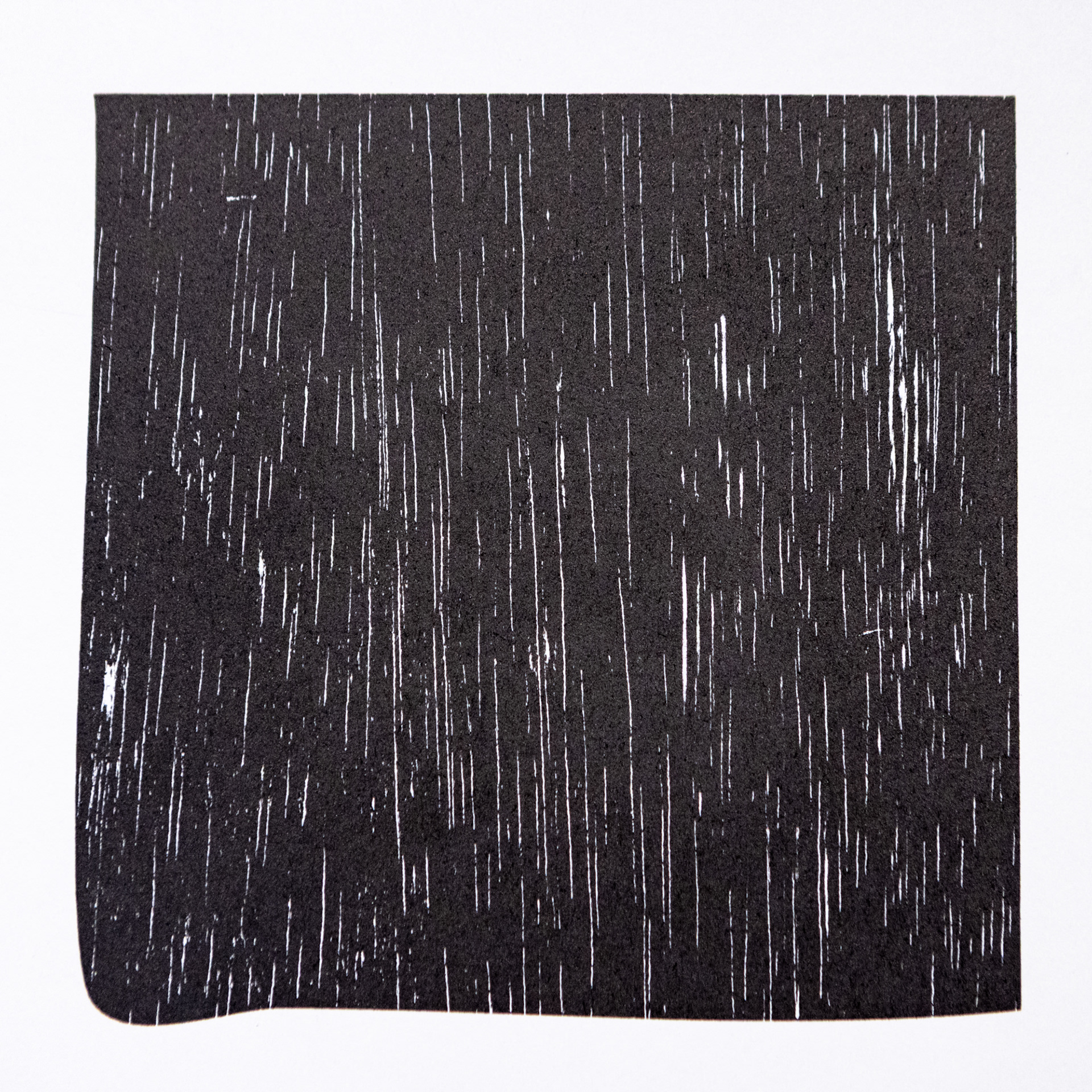
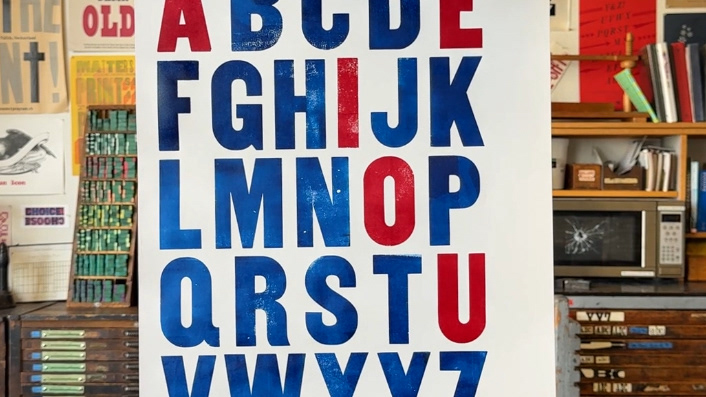
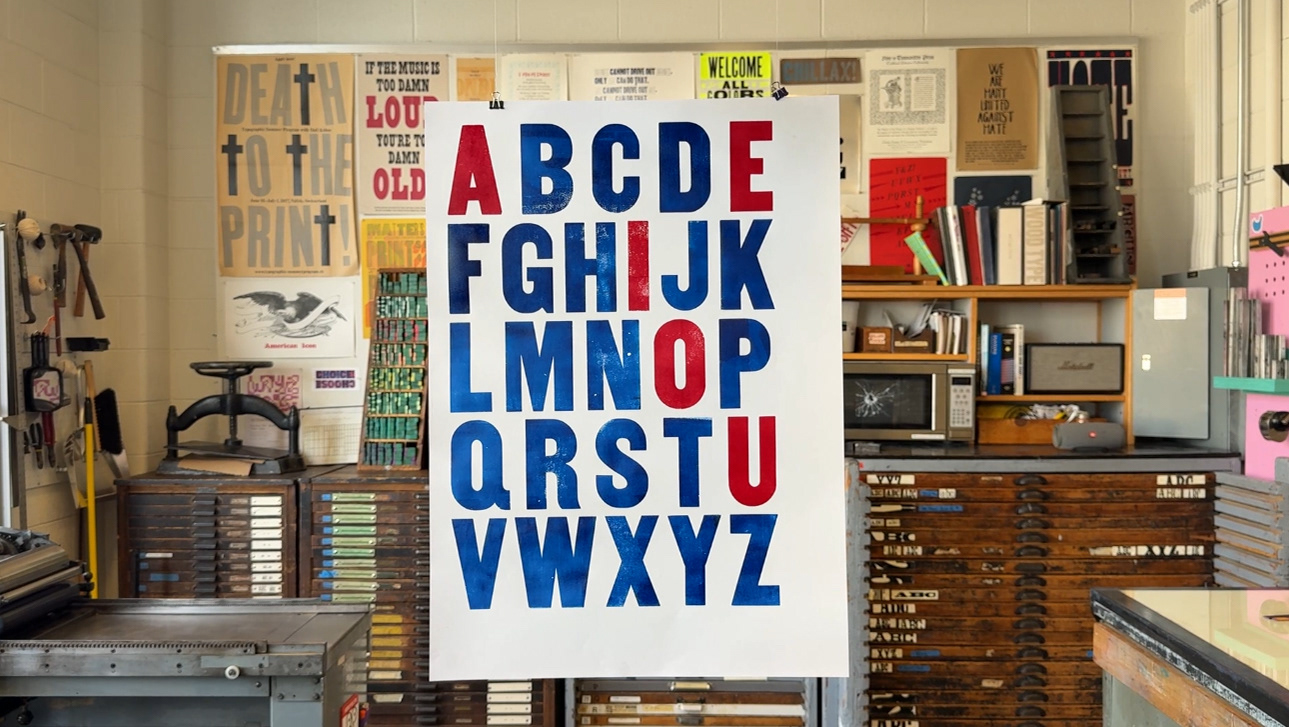
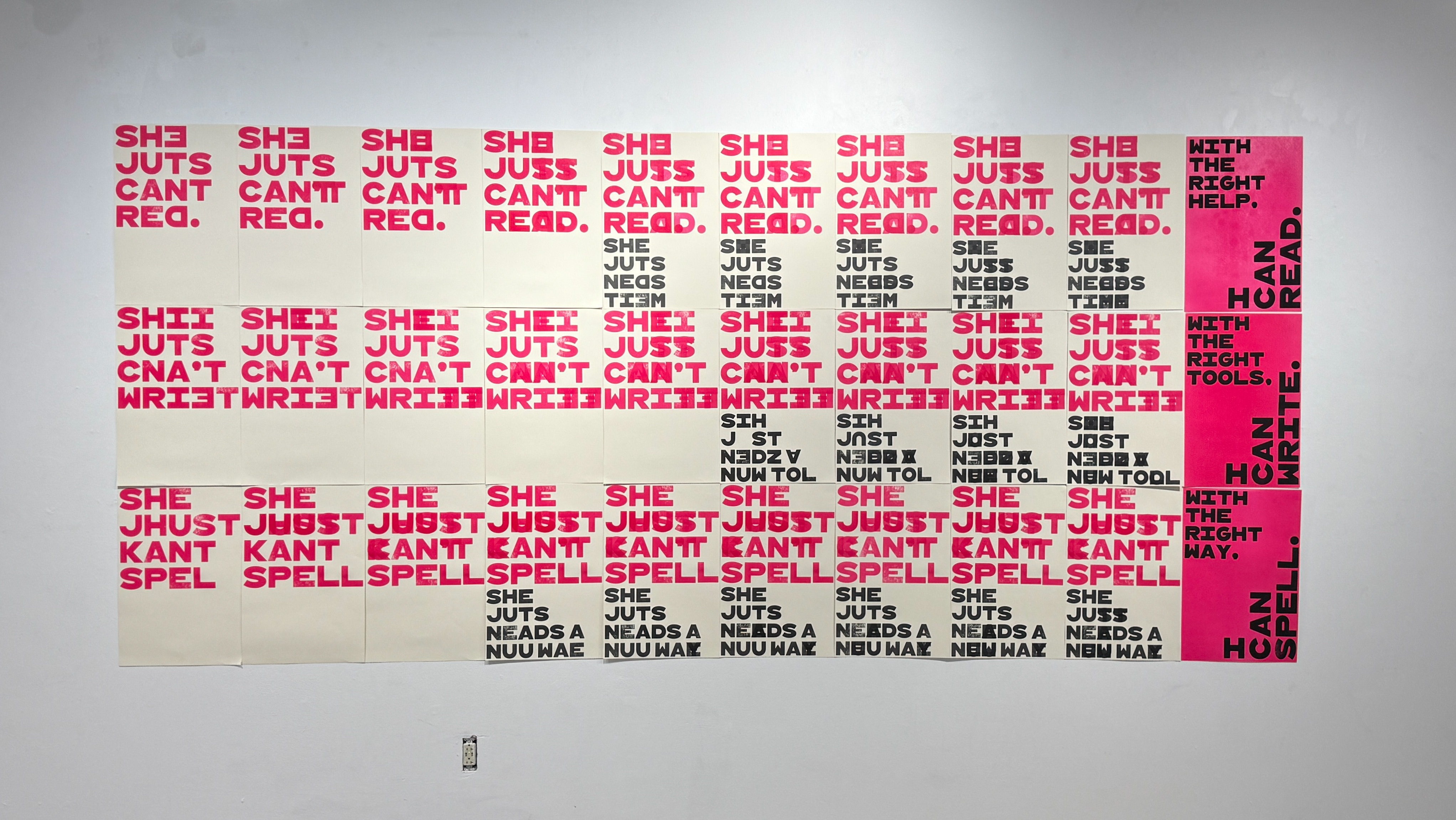
For this mural of posters, I printed a 24-line Gothic wood type from our school letterpress studio, setting the full alphabet as a type specimen. After printing, I scanned the specimen sheet and digitally traced the letterforms, translating them into a large-scale composition for the mural. The forms were then CNC-routed and reassembled as an enlarged specimen.
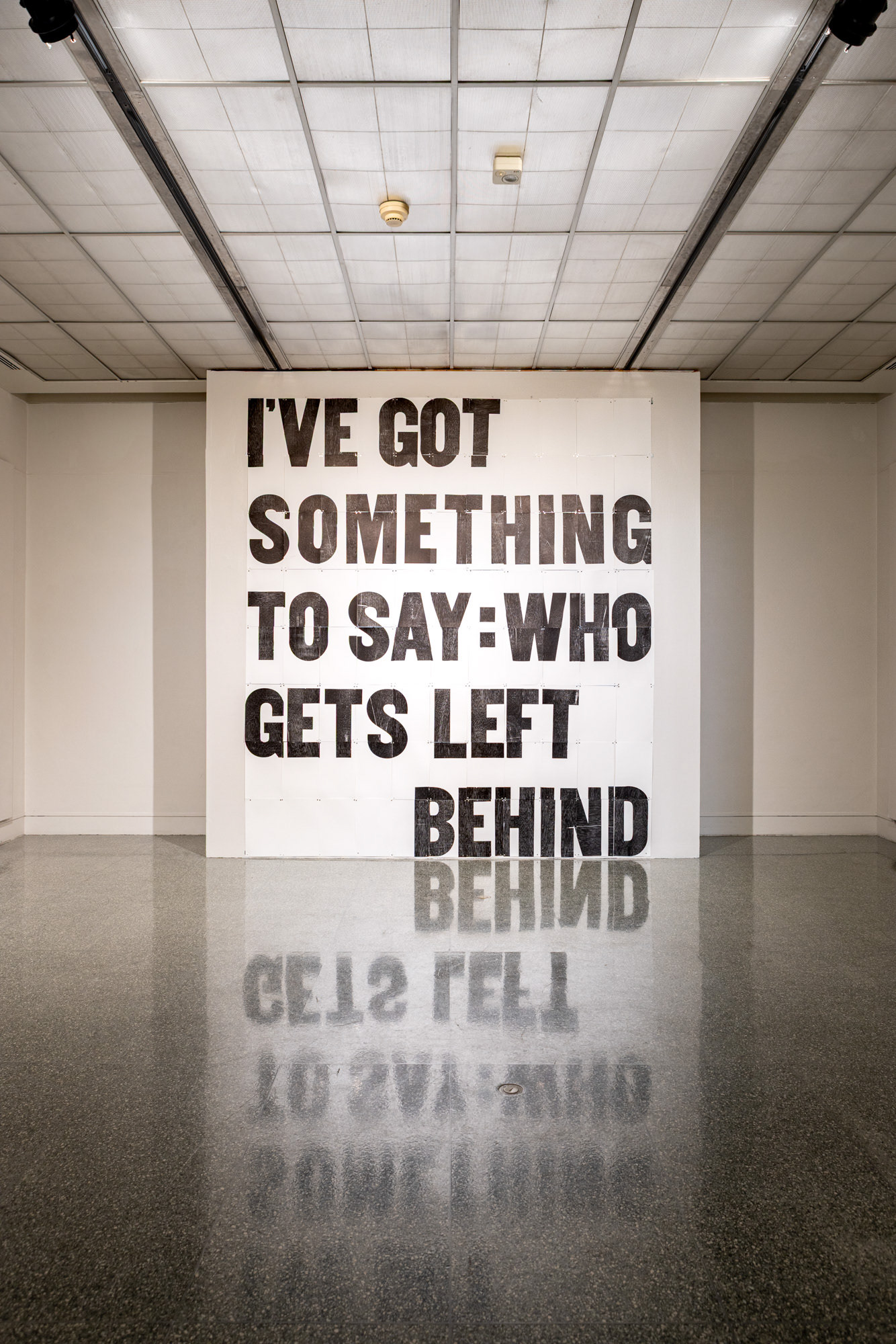
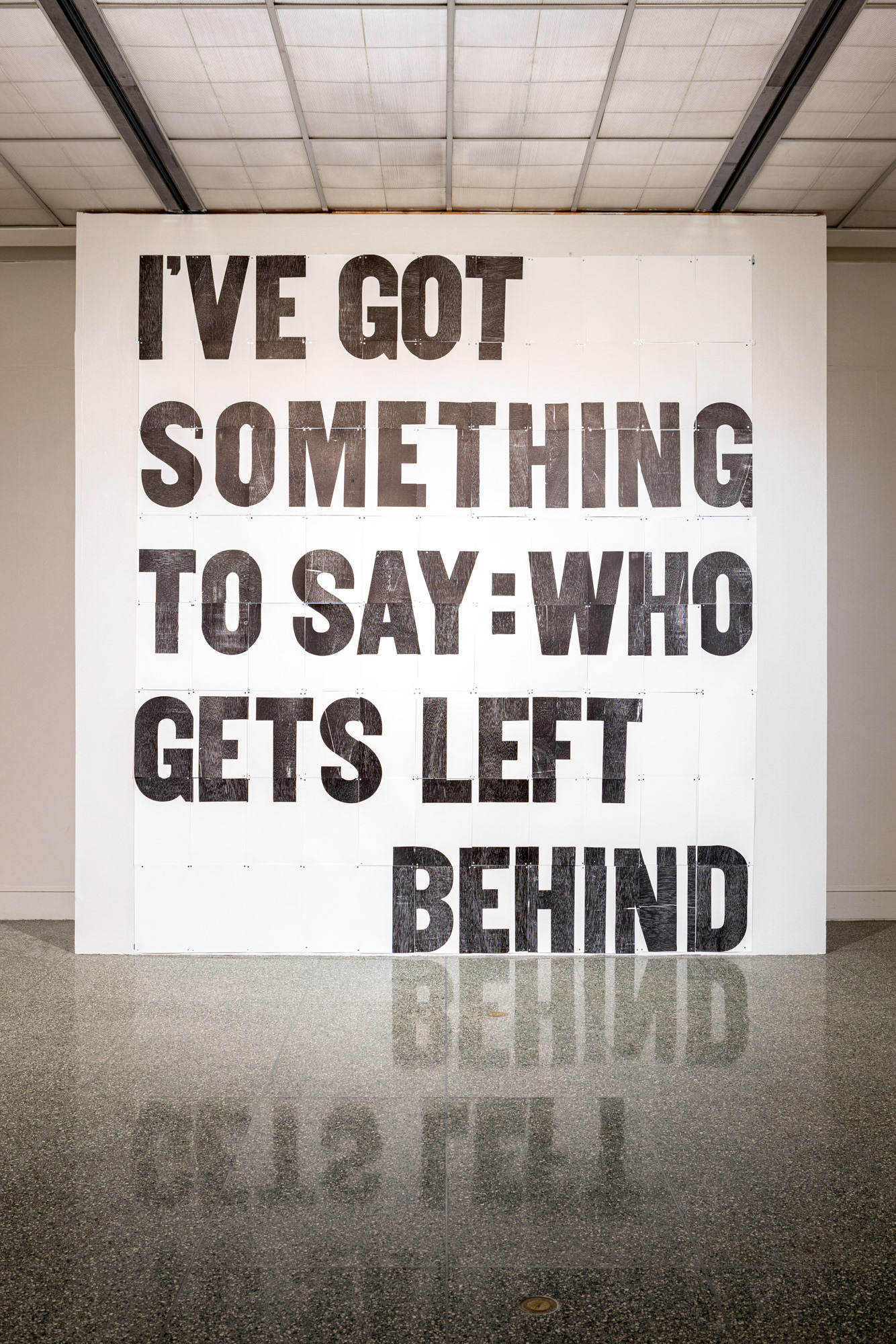
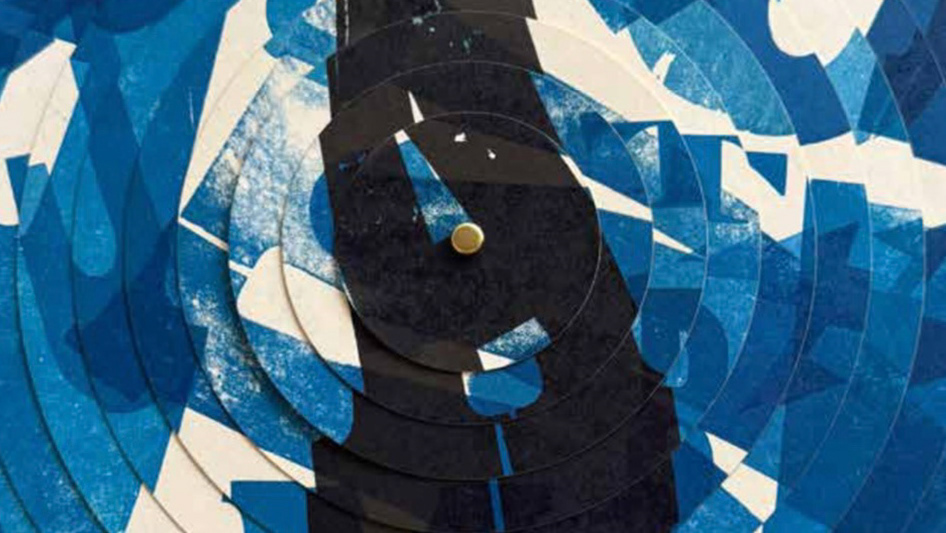
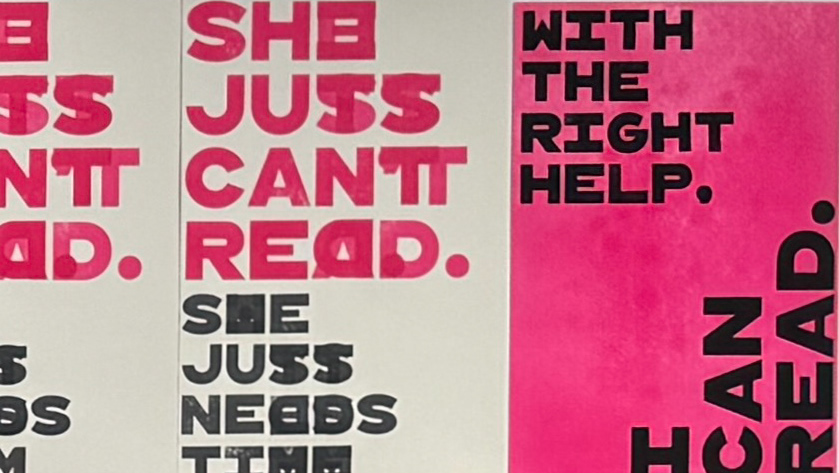
To produce the central mural, each letterform was cut and fragmented to accommodate the scale of the paper and press bed. The result is a giant puzzle of letterforms—modular pieces that tile together across the wall, forming a mural that reflects both the structure and disassembly of language.